Tag Deterrence strategy

Deterrence strategy is the art of stopping a war before it starts, and it is the quiet engine of America First foreign policy. The articles tagged here explain how the United States uses military power, forward presence, alliances and credible threats to keep Iran, China, Russia and the cartels from acting, and what happens to the geopolitics of a region when deterrence fails. Topics include naval power in the Strait of Hormuz, missile defense, the munitions shortage, nuclear signaling and the doctrine of peace through strength. Each piece asks one practical question: does this decision make an attack on American interests less likely, or does it invite the next one.

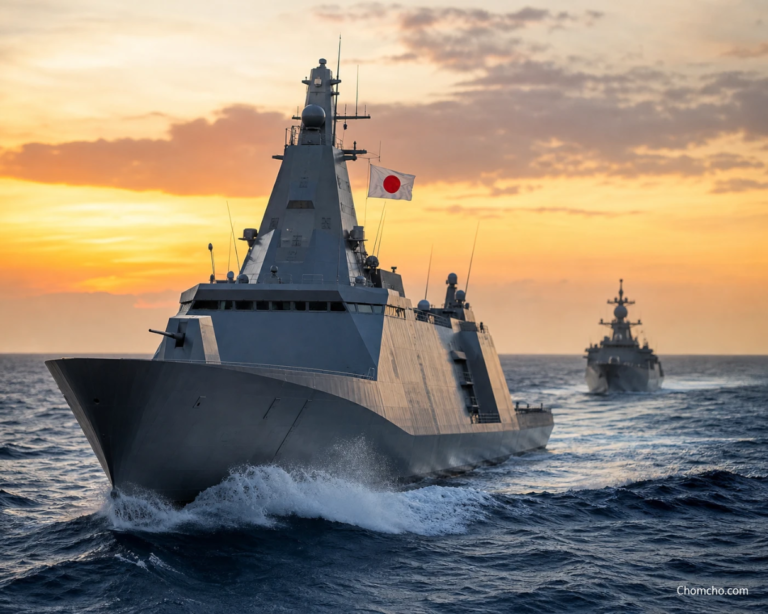
Takaichi’s First Year Turns Japan Into a Military Power

On October 21, Sanae Takaichi completes her first year as Japan's prime minister. Takaichi's first year reached 2 percent of GDP on defense two years early, ended the ban on lethal arms exports and said out loud that a Chinese attack on Taiwan could pull Japan into war. China answered with sanctions. Washington got the ally it wanted.

The illuminated dome of the United States Capitol at night, with red, white and blue Fourth of July fireworks bursting in the sky above it.

Founders Foreign Policy: From the Shores of Tripoli to the Strait of Hormuz

The Founders were not isolationists. They were global traders who guarded their political sovereignty jealously. Washington, Jefferson, and Monroe built a foreign policy compass that still points true 250 years later. From the Barbary Coast to the Strait of Hormuz, the principles endure. Founders foreign policy and America First share the same principles, separated only by history.