
Tag Deterrence strategy

Deterrence strategy is the art of stopping a war before it starts, and it is the quiet engine of America First foreign policy. The articles tagged here explain how the United States uses military power, forward presence, alliances and credible threats to keep Iran, China, Russia and the cartels from acting, and what happens to the geopolitics of a region when deterrence fails. Topics include naval power in the Strait of Hormuz, missile defense, the munitions shortage, nuclear signaling and the doctrine of peace through strength. Each piece asks one practical question: does this decision make an attack on American interests less likely, or does it invite the next one.

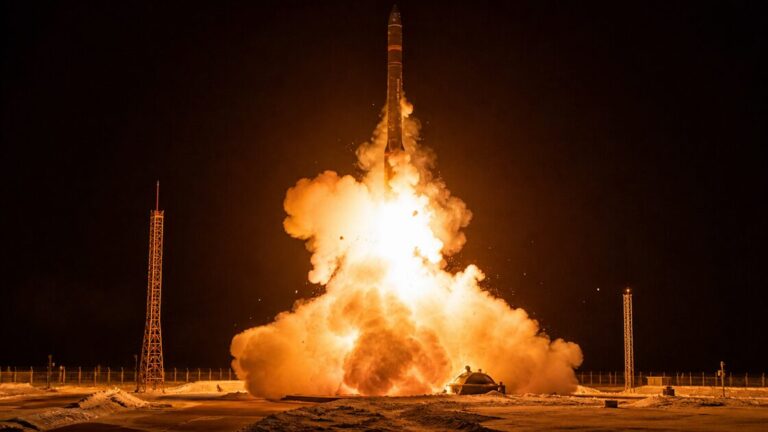
Russia Satan II Missile: Real Threat or Kremlin Bluff?

Russia's Satan II missile — the RS-28 Sarmat — was test-fired May 12, 2026. Putin claims it is the most powerful missile in the world, with a range of 35,000 km and warheads four times stronger than any Western equivalent. Western analysts urge caution. Trump's Golden Dome may be America's only credible answer.

Trump Was Right: The Beijing-Tehran Axis Exposed

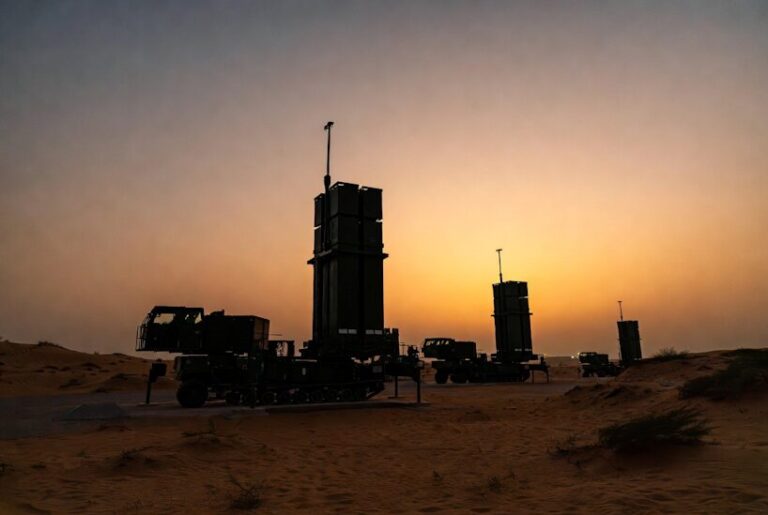
Beijing thought it could arm Tehran with cheap drones and cloned tech to challenge the West. Instead, U.S. forces exposed Chinese hardware as entirely second-rate. American military power proves that peace through strength works, dismantling the dangerous Beijing-Tehran axis while reinforcing our tactical superiority and deterrence.

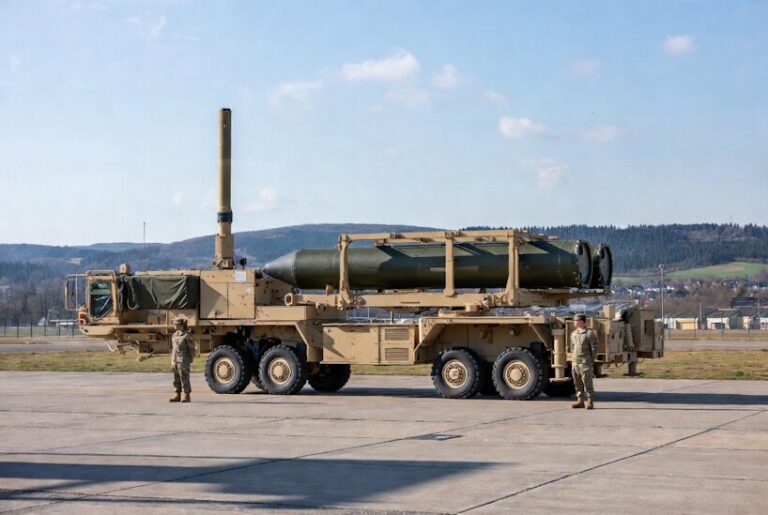
Image accompanying the article on the cancellation of the long-range fires battalion planned for Germany and Trump’s reset of NATO strategy.

Long-Range Fires Battalion Canceled: Trump Resets NATO Strategy

The Pentagon is scrapping the planned deployment of the Army’s long-range fires battalion to Germany, ending a Biden-era plan meant to bolster NATO’s eastern flank with Tomahawk missiles, SM-6 systems, and hypersonic platforms. Trump’s move, alongside troop cuts, marks a sharp shift in U.S. Europe strategy and pressures Germany to assume more defense responsibility.