
This post is also available in:
 Português
  Español
  Français
  Deutsch
  Italiano
  Русский
  Nederlands
  日本語
日本語  Polski
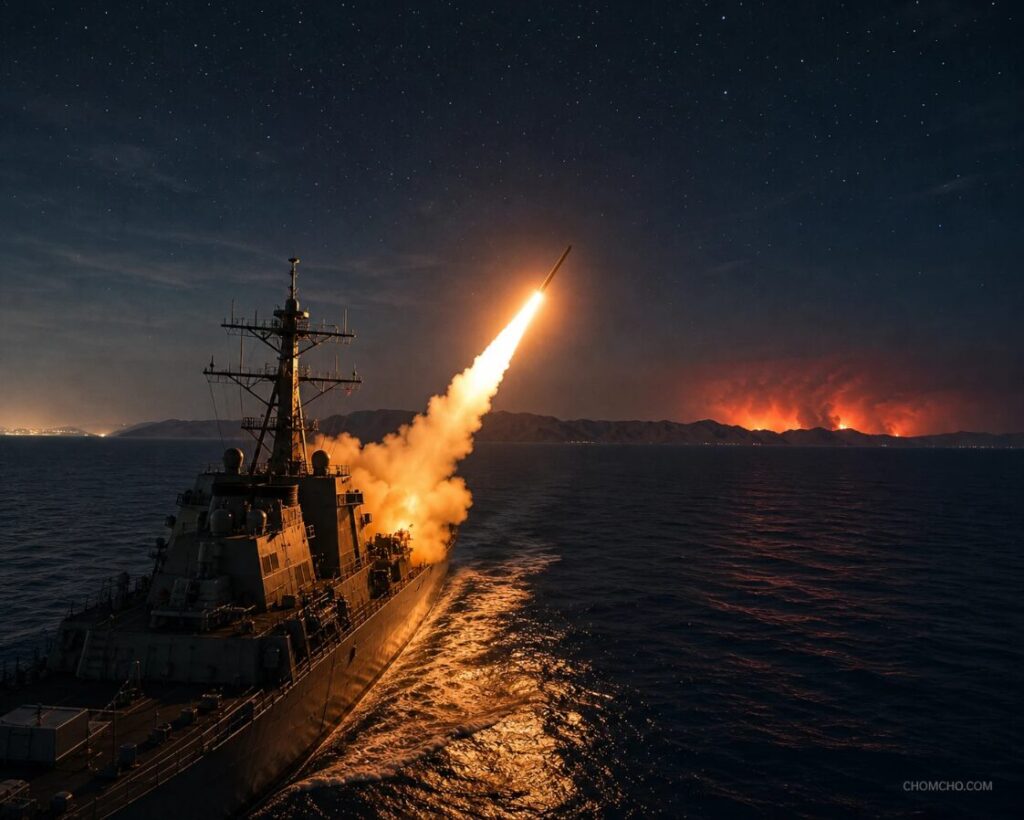
Trump answers attacks in Hormuz with firepower
On Tuesday evening Eastern Time, July 7, the United States began a series of powerful military airstrikes against Iranian military targets.
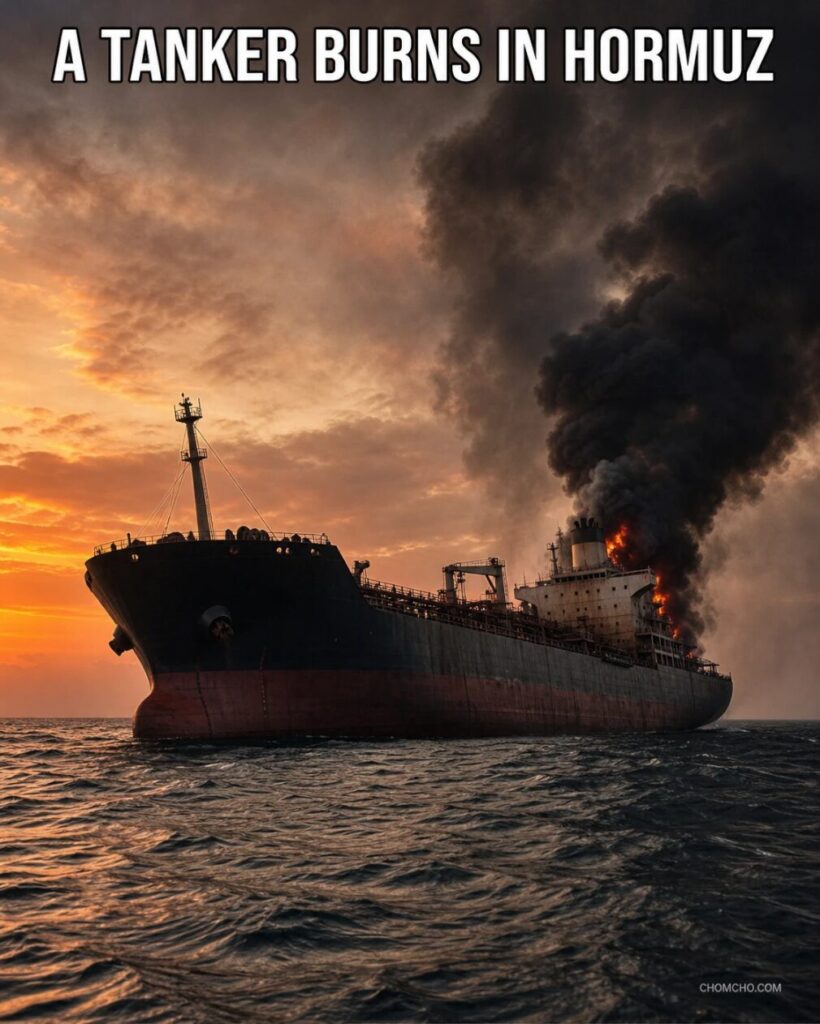
U.S. Central Command (@CENTCOM) said the operation was a direct response to Iranian attacks on three commercial tankers transiting the Strait of Hormuz between Monday night and Tuesday, including the Qatari natural gas vessel Al-Rekayyat and the Saudi tanker Wedyan.
One of the vessels was set ablaze during the attacks.
CENTCOM called Iran’s aggression “unwarranted, dangerous, and a clear violation of the ceasefire.”
The American airstrikes hit port facilities, air defenses, coastal surveillance sites, and missile and drone launch sites, including the port city of Bandar Abbas.
U.S. officials describe this response as bigger than last month’s.
Three weeks of Iranian violations since the MOU
President Trump and Iranian President Pezeshkian signed a memorandum of understanding on June 17 to end the war, reopen the strait, and open 60 days of negotiations toward a permanent deal.
Iran started cheating almost immediately.
In late June, Iranian forces attacked commercial ships in the strait, and America answered with retaliatory airstrikes on Iranian military sites.
Iran then escalated with attacks on Bahrain and Kuwait.
On June 27, the U.S. Navy opened a widened shipping route near Oman, directly challenging Tehran’s claim to control the waterway.
The pattern of these attacks in Hormuz is now familiar: Iran signs, Iran cheats, America responds.
Oil, allies and a nervous world
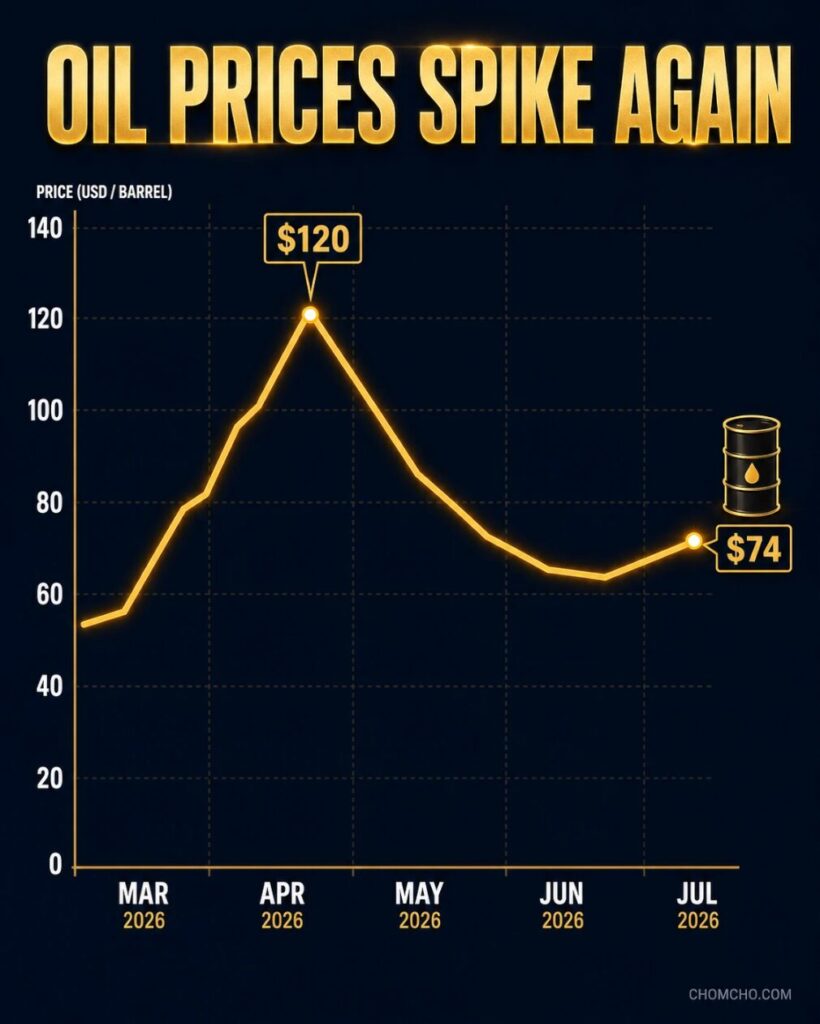
Brent crude jumped about 2.5 percent to nearly 74 dollars per barrel, after topping 100 dollars earlier this year during the war.
Every Iranian attack feeds global inflation and pressure on interest rates.
Europe, meanwhile, talks more than it sails.
Oman agreed last week to work with the UK and France to secure its territorial waters, and a European naval mission with Germany, the Netherlands, Belgium and Norway was reported ready to deploy within days.
Do not hold your breath.
Macron already sent his aircraft carrier back home to France, Belgium admits no political decision has been made, and Tehran warned that Hormuz is “not a theater for the military display of extra-regional powers.”
If the war reignites, expect the European fleet to stay safely in their own home ports.
Adding to the tension, at the NATO summit in Ankara, Trump floated selling F-35 jets to Turkey, a move analysts believe could shift the balance of power in the Middle East.
Defense Secretary Pete Hegseth travels to Israel Wednesday to calm exactly those concerns.
The MOU is performance-based, and Iran just failed the test
Hours before the military airstrikes began, the U.S. Department of the Treasury revoked the license that allowed Iran to sell its oil, cutting off the main benefit Tehran received from the MOU.
This is exactly what we argued when we covered Israel’s concerns about this agreement: not one dollar should flow to Iran before verified compliance.
Israeli officials repeatedly warned that Iran could violate the agreement before receiving sanctions relief, and Iran proved them right in under three weeks.
This is what peace through strength looks like in practice. The deal only pays when Iran behaves, and when it does not, the consequences arrive the same day, in dollars and in firepower.
Strength keeps the peace, and weakness invites the wolves.