
This post is also available in:
 Português
  Español
  Français
  Deutsch
  Italiano
  Русский
Oil prices drop on Iran deal hopes, but questions remain
Oil prices dropped sharply on Friday, June 12, as traders responded to signs that a US-Iran peace deal may be close.
Brent crude fell 3.37% to $87.33 a barrel. West Texas Intermediate (WTI), the US benchmark, fell 3.23% to $84.88.
For the week, WTI is down more than 6%. Compared to a month ago, it is down nearly 20%.
The trigger was a social media post from Pakistani Prime Minister Shehbaz Sharif, whose government has mediated the talks.
Sharif wrote that “a final, agreed-upon text of the peace deal has been reached” and that mediators were working with both sides “to finalize the next steps.”
Hours earlier, Iranian Foreign Minister Abbas Araghchi said a memorandum of understanding with Washington had “never been this close.”
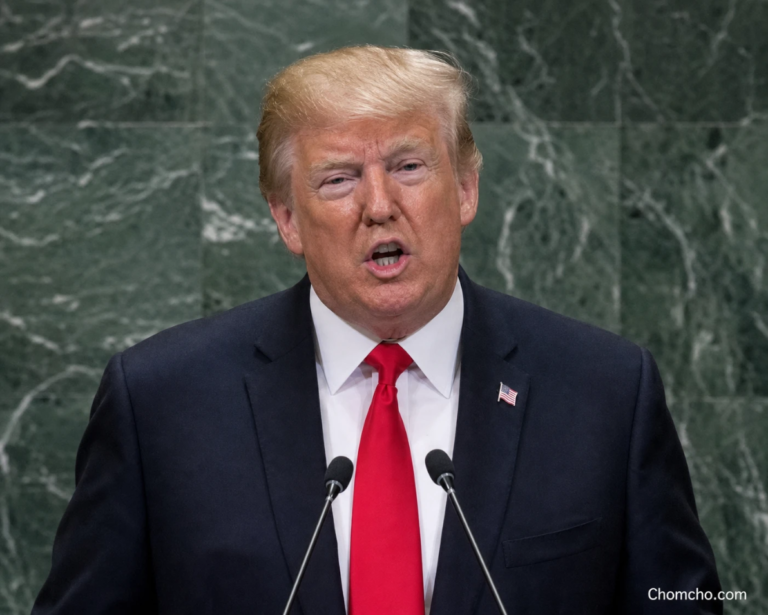
A White House official, speaking anonymously, confirmed talks were advanced and said the deal meets President Trump’s “main objectives.”
The official put the odds of a signed agreement at roughly 85%, possibly within days, though without giving an exact date.
Markets are not just reacting to this one announcement.
They are pricing in months of accumulated signals.
Oil prices Iran deal headlines have come and gone many times during this war, and traders have learned to wait for substance.
What stood out this week is that oil barely moved when fighting resumed near the Strait of Hormuz days earlier.
That muted reaction suggests markets increasingly expect a negotiated outcome, regardless of short-term flare-ups.
What this means for American households
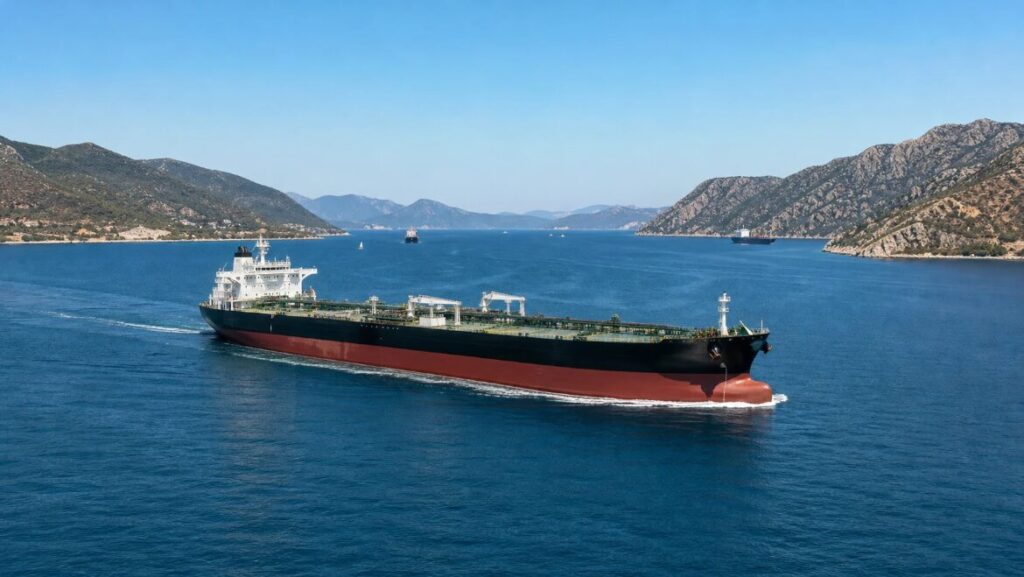
The Strait of Hormuz normally carries about 20% of global oil shipments by sea.
Since fighting closed it on February 28, oil prices spiked toward $120 a barrel at their peak.
US retail gas prices later topped $4.54 a gallon, the highest level since 2022 and not far from the all-time record of $5.02. Since the war began, gas prices have risen more than 50%.
Mortgage rates rose alongside oil during the conflict.
As pressure has eased this week, the average 30-year fixed rate fell to 6.44%, its lowest level in days.
StoneX market analyst Fawad Razaqzada cautioned that inflation pressure from months of disrupted energy supply could linger into late summer even if a deal is signed soon, but he also said a confirmed agreement would likely push oil prices lower still.
A volatile year for Wall Street
This conflict has produced some of the sharpest single-day swings on Wall Street in years.
In early March, the Dow fell more than 1,000 points in a single session as oil spiked on fears of a prolonged Hormuz blockade. In June, as peace signals strengthened, the Dow rose nearly 930 points in a single day.
The Russell 2000, S&P 500, and Nasdaq have moved in lockstep with oil headlines for months.
For anyone tracking a 401k or brokerage account, this war has been a real-time lesson in how Middle East geopolitics translates directly into portfolio performance.
Two very different descriptions of the same deal
Here is where caution is warranted.
Reuters and Iranian media both reported on draft terms that appeared to favor Tehran heavily, including discussion of large war reparations to Iran and the dropping of long-standing US demands to limit Iran’s missile program.
President Trump pushed back hard on those reports, saying they have “no relation to the truth.”
The US account of the deal describes something very different: a “performance-based” agreement under which Iran would destroy its nuclear material, dismantle its nuclear program, reopen the Strait of Hormuz, and stop funding terrorist groups, with no sanctions relief released until Iran actually follows through.
Iranian state media, by contrast, describes a deal in which Iran and Oman would jointly administer the Strait of Hormuz going forward, with “no American role.”
Those two descriptions cannot both be true.
Until an actual signed text is public, markets are betting on the version where Iran gives up the most, not the version Tehran’s own media is describing.
That gap between hope and substance is exactly why oil prices Iran deal coverage should be read carefully in the days ahead.
For now, lower oil prices are good news for American consumers.
Whether that relief holds depends on which version of this deal turns out to be real.