
This post is also available in:
 Português
  Español
  Français
  Deutsch
  Italiano
  Русский
  Nederlands
  日本語
日本語  Polski
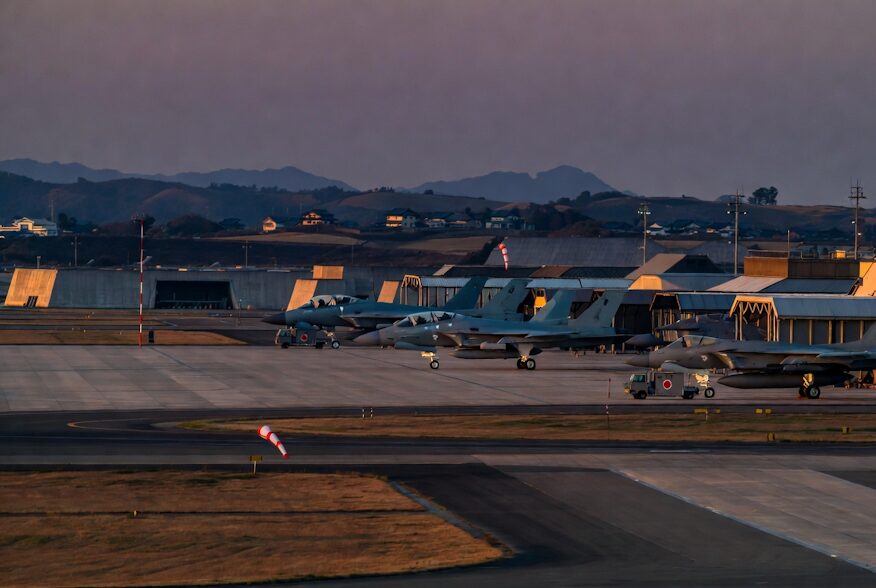
Japan did not say yes to every Iran request on day one, but it is moving in the right direction.
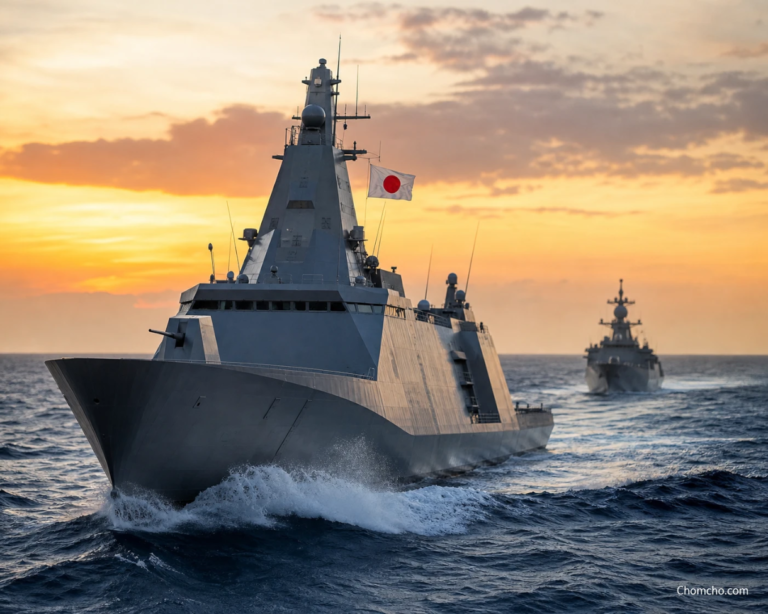
Prime Minister Takaichi is looking for ways to support security in Hormuz “within Japanese law,” even as Tokyo helps stabilize energy markets and backs Trump’s line that Iran can never be allowed nuclear weapons.
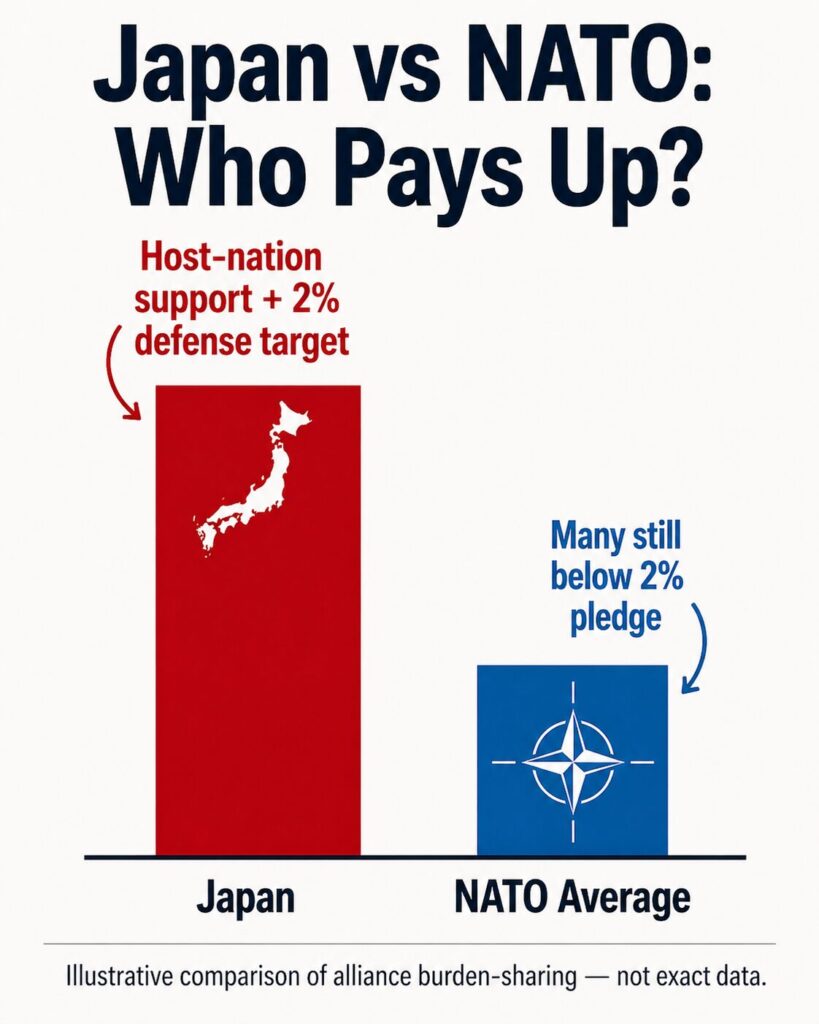
At the same time, Japan is opening its wallet to harden U.S. bases on its own soil while many NATO capitals still treat the 2% defense pledge as a talking point, not a bill they actually have to pay.
That is why Trump (@realDonaldTrump) can say “Japan is a better ally than NATO” and have a strong case.
Host nation, real partner
Japan already pays roughly $1,900 million a year in host-nation support for U.S. forces — utilities, base labor and training support for tens of thousands of American troops — and now it is considering extra money to protect those bases against missiles.
That is not perfect, but it is serious skin in the game.
Meanwhile, some European governments spent months complaining about Trump’s tone while refusing robust naval help at Hormuz.
One side is acting like a grown-up partner. The other still wants endless communiqués instead of hard choices.
Realism about China and North Korea
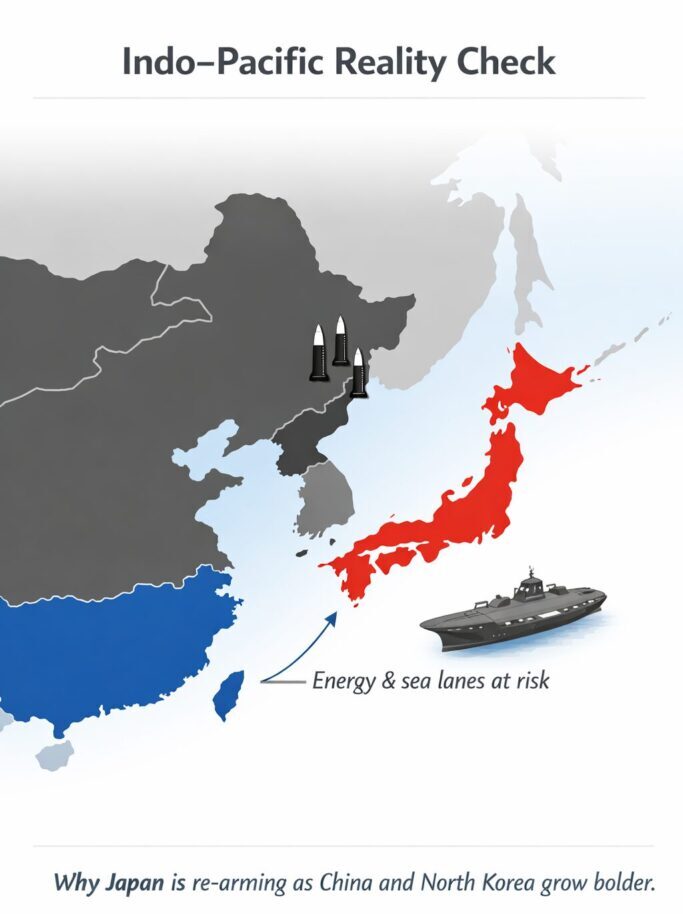
Tokyo is not doing this out of charity either. It has finally accepted that China’s military buildup and North Korea’s missile launches are “realistic threats,” and that relying on paper pacifism will not stop either one.
So Japan is re-arming, raising defense spending and tightening its alliance with Washington, while countries like Australia sometimes sound more like NATO — strong words, slow moves.
That is Trump’s doctrine in action: allies who step up and share the burden move to the front of the line.
Serious allies pay, prepare and stay.
Response to @nettermike [Replying to: https://x.com/nettermike/status/2048638422328451320]