
This post is also available in:
 Português
  Español
  Français
  Deutsch
  Italiano
  Русский
  Nederlands
  日本語
日本語  Polski
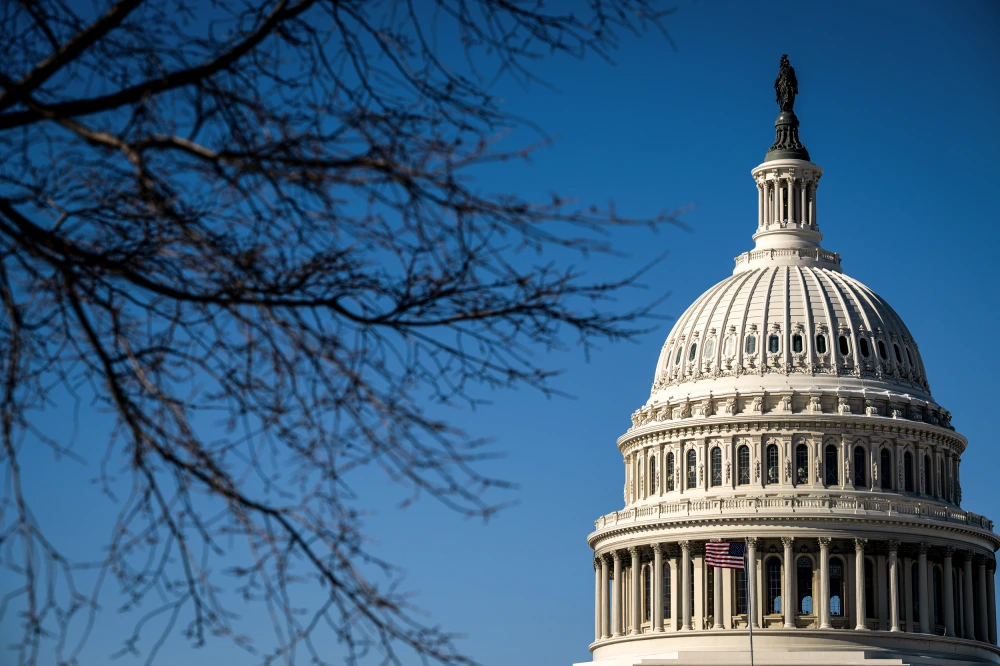
The House voted 357-65 to keep congressional sexual misconduct and harassment reports confidential, with strong bipartisan support.
The majority reasoning, as stated by leaders and defenders, centers on protecting victim privacy, preventing retaliation against complainants, and preserving the integrity of the internal Office of Congressional Ethics process.
They argue that public release could deter future victims from coming forward, expose sensitive personal details, and undermine the system’s ability to resolve cases quietly and effectively—prioritizing discretion over full transparency in a chamber where many members face their own vulnerabilities.
Politically, this vote is a textbook display of elite self-preservation. When the institution that writes laws for everyone else decides to exempt itself from the same level of scrutiny it demands from the public, it erodes trust in government at every level.
America First demands accountability from those in power—no carve-outs, no double standards. Shielding misconduct reports only fuels the perception that Congress operates as a protected class, disconnected from the people it serves.
Ethically and from a Christian perspective, hiding sin behind institutional walls contradicts the call to walk in the light.
As Richard C. H. Lenski wrote in his commentary on Ephesians 5:11–13: “The Christian is not to have fellowship with the unfruitful works of darkness, but rather to reprove them… for all things that are reproved are made manifest by the light.”
Concealment does not heal–it enables.
True justice and repentance require exposure, not suppression. The vulnerable deserve protection through truth, not through secrecy that benefits the powerful.
Moral clarity insists on openness—anything less is complicity.